This page contains affiliate links. We may earn a commission at no extra cost to you.
About Monte Alban
Monte Alban is one of Mexico's most impressive archaeological sites, the ancient capital of the Zapotec civilization, perched atop an artificially flattened mountaintop overlooking the Oaxaca Valley. The site was occupied for approximately 1,500 years, from around 500 BCE to 850 CE, and at its height was home to an estimated 25,000 people. It was designated a UNESCO World Heritage site in 1987 along with the historic center of Oaxaca City.
What makes Monte Alban extraordinary is its setting -- the Zapotecs literally reshaped the top of a mountain to create a grand ceremonial plaza, with 360-degree views of the surrounding valleys and mountains.
Key Structures
- The Gran Plaza -- A massive open space measuring approximately 300 by 200 meters, surrounded by platforms, temples, and a ball court
- Building J -- An arrow-shaped structure in the center of the plaza, believed to be an astronomical observatory. Its alignment differs from other buildings, pointing to specific celestial events.
- Los Danzantes (The Dancers) -- A collection of carved stone slabs depicting contorted human figures. Once thought to show dancers, scholars now believe they represent sacrificed captives or rulers. These are among the earliest examples of writing in Mesoamerica.
- The Ball Court -- Used for the Mesoamerican ball game, with sloped playing walls
- Tomb 7 -- Discovered in 1932 by Alfonso Caso, this Mixtec-era tomb contained one of the richest troves of pre-Columbian gold, turquoise, and jade ever found in Mexico. The treasures are displayed at the Museo de las Culturas de Oaxaca in the Santo Domingo Cultural Center in Oaxaca City.
- South Platform -- The largest structure at the site, offering the best panoramic views
Visiting Tips
- Visit in the morning -- Arrive at opening (around 10:00 AM) for cooler temperatures and fewer visitors
- Hire a guide -- Guides at the entrance provide historical context that transforms the visit. Expect to pay around 500-800 MXN for a group.
- Bring water and sun protection -- The mountaintop site is fully exposed to the sun
- Allow 2-3 hours -- For the main site and the small on-site museum
- Visit the Santo Domingo museum -- See the Tomb 7 treasures in Oaxaca City to complete the experience
Cost
General admission is approximately 90 MXN. The site is free on Sundays for Mexican residents.
Getting There
Monte Alban is about 10 kilometers from Oaxaca City center:
- Shuttle buses -- Regular shuttles depart from Hotel Rivera del Angel on Mina 518 in Oaxaca City, running approximately every 30 minutes
- Taxi -- About 100-150 MXN one way from the city center
- Tour -- Many operators in Oaxaca combine Monte Alban with other valley attractions
Best Time to Visit
The dry season (October to May) offers the clearest skies and best views. Early mornings are coolest. The site can be extremely hot during April and May.
Plan Your Visit
Monte Alban is a key stop on the Oaxaca Deep Dive 5-Day itinerary and the Classic Mexico 7-Day itinerary. Combine it with a visit to the Oaxaca markets and a mezcal tour.
Tours & Activities
Top Tours & Activities in Oaxaca City
Discover the best experiences in Oaxaca City with free cancellation and instant confirmation.
Browse ActivitiesThings to Do in Oaxaca City
Book tours, attractions, and experiences in Oaxaca City at the best prices.
Explore on KlookOaxaca City Attractions & Tickets
Save on popular attractions and tours in Oaxaca City.
View DealsHotels & Accommodation
Related Experiences
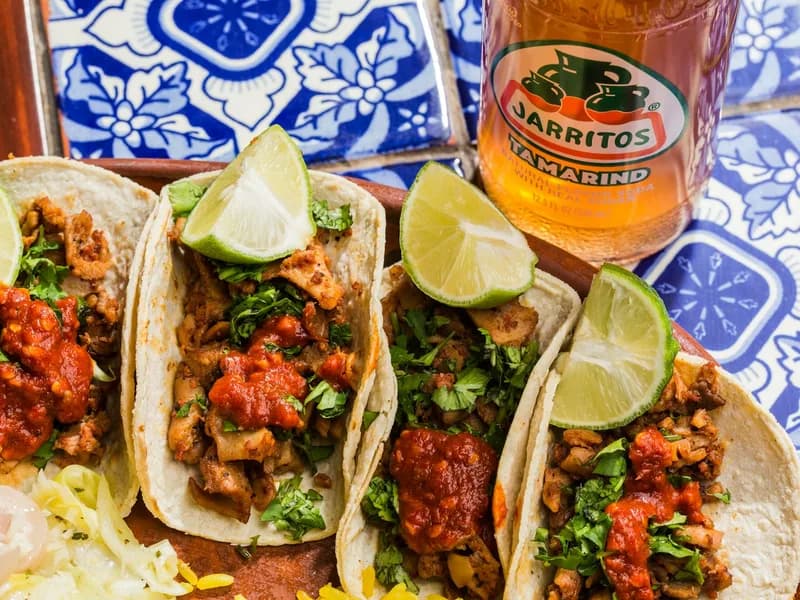
Chocolate Workshop in Oaxaca
Learn bean-to-bar chocolate making in Oaxaca: grind cacao on a metate, blend traditional Oaxacan hot chocolate, and discover the ancient roots of chocolate.
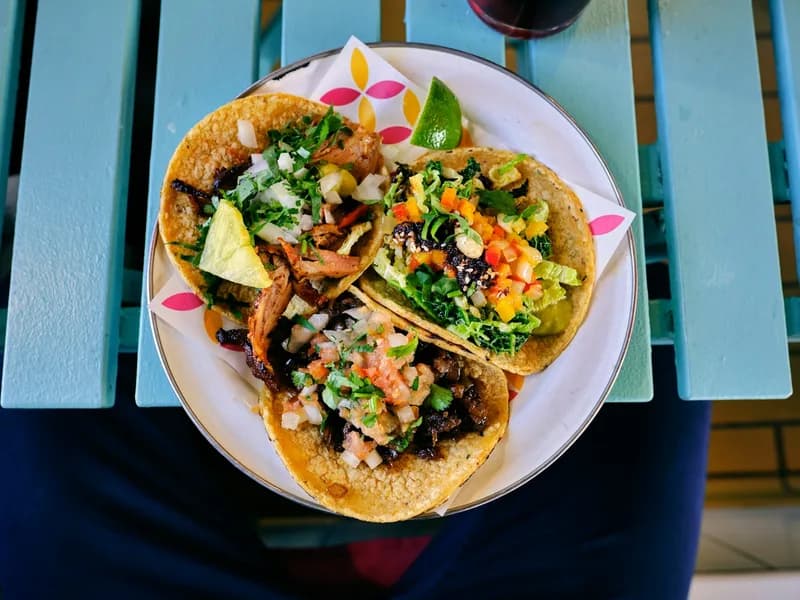
Oaxacan Cooking Class
Learn to make traditional Oaxacan dishes like mole, tlayudas, and tamales in hands-on cooking classes led by local chefs in Mexico's culinary capital.
Day of the Dead Celebrations
Experience Dia de los Muertos in Mexico: vibrant celebrations honoring the departed with altars, marigolds, painted skulls, and ceremonies in Oaxaca, Mixquic, and Patzcuaro.