This page contains affiliate links. We may earn a commission at no extra cost to you.
About Palenque
Palenque is among the most atmospheric archaeological sites in Mexico. Set in the dense tropical jungle of northern Chiapas, the ruins emerge dramatically from the green forest, with the calls of howler monkeys providing a constant soundtrack. The ancient Mayan city flourished between approximately 226 BCE and 799 CE, reaching its peak under the rule of K'inich Janaab Pakal (Pakal the Great), who reigned from 615 to 683 CE.
Only about 10% of the total city has been excavated -- the rest remains hidden beneath jungle-covered hills, adding to the sense of mystery. The site is a UNESCO World Heritage site, recognized for its exceptional Mayan architecture and sculptural art.
Key Structures
Temple of the Inscriptions
The tallest and most famous building at Palenque, this stepped pyramid contains the tomb of Pakal the Great, discovered in 1952 by Mexican archaeologist Alberto Ruz Lhuillier. The tomb, located deep within the pyramid, contained Pakal's sarcophagus with a magnificently carved lid and a jade death mask. The tomb interior is not always open to visitors; a replica exists in the on-site museum.
The Palace
A sprawling complex of interconnected buildings, courtyards, and galleries centered around a distinctive four-story tower -- unique in Mayan architecture. The tower may have served as an astronomical observatory or watchtower. The Palace features elaborate stucco reliefs and carved panels.
Temple of the Sun, Cross, and Foliated Cross
A group of three temples arranged around a plaza, each containing carved tablets depicting Mayan mythology and royal ceremonies. These are among the finest examples of Mayan relief sculpture.
Queen's Bath
A series of cascading pools formed by a stream running through the site, once used for ceremonial bathing.
The Site Museum
The Alberto Ruz Lhuillier museum at the entrance displays artifacts from the site, including a replica of Pakal's tomb and carved panels. It provides essential context before exploring the ruins.
Visiting Tips
- Arrive early -- The site opens at 8:00 AM. Early morning offers cooler temperatures, fewer crowds, and the best chance of hearing howler monkeys
- Prepare for humidity -- Palenque's jungle setting is hot and humid. Bring water, wear light clothing, and apply insect repellent
- Wear sturdy shoes -- Paths can be slippery, especially during the rainy season
- Allow 3-4 hours -- Including the museum and forest trails
- Hire a guide -- Guides at the entrance help identify structures and explain Mayan history (around 800-1,200 MXN for a group)
Cost
General admission is approximately 90 MXN.
Getting There
- From Palenque town -- The ruins are about 8 km from the town. Colectivos run regularly from the town center (about 40 MXN)
- From San Cristobal de las Casas -- About 5 hours by road. ADO and OCC buses make the journey.
- From Villahermosa -- The nearest airport city, about 2 hours by road
Best Time to Visit
November through April is the dry season and the most comfortable time to visit. Mornings are typically clearer than afternoons even in the rainy season.
Plan Your Visit
Palenque is a highlight of the Chiapas Adventure 5-Day itinerary. Combine it with visits to Sumidero Canyon and San Cristobal de las Casas.
Tours & Activities
Top Tours & Activities in Palenque Ruins Travel Guide
Discover the best experiences in Palenque Ruins Travel Guide with free cancellation and instant confirmation.
Browse ActivitiesThings to Do in Palenque Ruins Travel Guide
Book tours, attractions, and experiences in Palenque Ruins Travel Guide at the best prices.
Explore on KlookPalenque Ruins Travel Guide Attractions & Tickets
Save on popular attractions and tours in Palenque Ruins Travel Guide.
View DealsHotels & Accommodation
Related Experiences
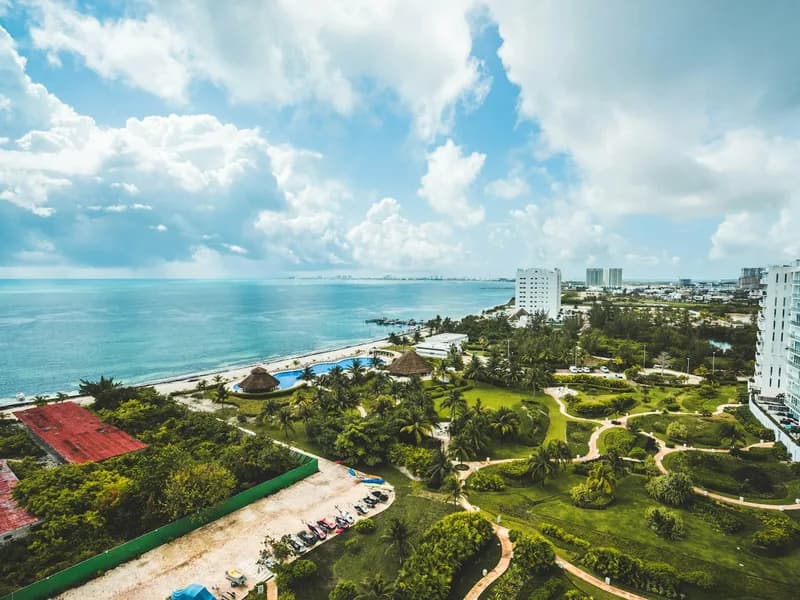
Zip-Lining in the Riviera Maya
Soar through the jungle canopy on zip lines in the Riviera Maya: adrenaline-pumping flights over treetops at adventure parks along Mexico's Caribbean coast.
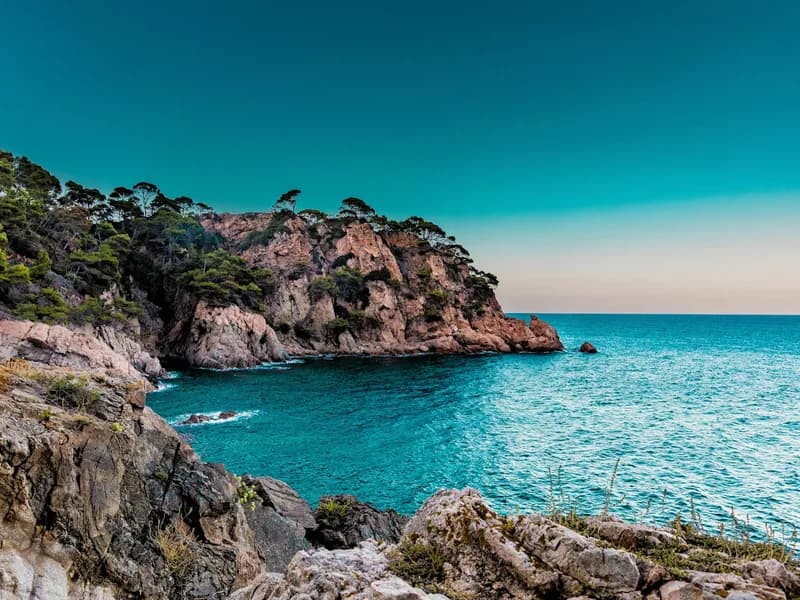
Swimming in Cenotes
Swim in the crystal-clear cenotes of the Yucatan Peninsula: sacred Mayan sinkholes with turquoise water, dramatic cave formations, and unforgettable snorkeling.
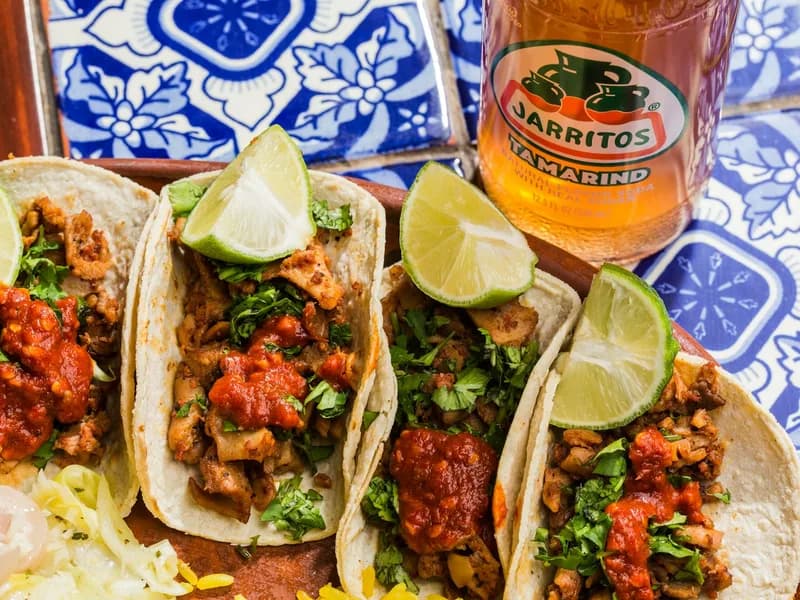
Chocolate Workshop in Oaxaca
Learn bean-to-bar chocolate making in Oaxaca: grind cacao on a metate, blend traditional Oaxacan hot chocolate, and discover the ancient roots of chocolate.