Yucatan Peninsula Travel Guide
Explore the Yucatan Peninsula: Caribbean beaches, ancient Mayan ruins, mystical cenotes, and vibrant colonial cities like Merida and Valladolid.
Overview
Discover the Yucatan Peninsula
The Yucatan Peninsula is one of Mexico's most visited regions, and for good reason. This flat limestone shelf jutting into the Caribbean Sea and Gulf of Mexico encompasses three states -- Quintana Roo, Yucatan, and Campeche -- each offering distinct experiences. From the turquoise waters of the Caribbean coast to the ancient Mayan cities hidden in jungle, the Yucatan delivers a rare blend of beach relaxation and cultural immersion.
Top Destinations
Coastal Highlights
- Cancun -- The gateway to the region, with a famous Hotel Zone strip lined with resorts and nightlife
- Playa del Carmen -- A walkable beach town centered around the lively Fifth Avenue pedestrian street
- Tulum -- Known for its clifftop Mayan ruins and eco-chic beach hotels
- Isla Mujeres -- A laid-back island just a short ferry ride from Cancun
- Isla Holbox -- A car-free island famous for whale shark encounters and bioluminescence
Cultural Cities
- Merida -- The vibrant colonial capital of Yucatan state, known for Yucatecan cuisine and cultural events
- Valladolid -- A smaller colonial city conveniently located between Merida and Cancun
- Campeche -- A UNESCO-listed walled city on the Gulf coast, often overlooked by tourists
Ancient Ruins
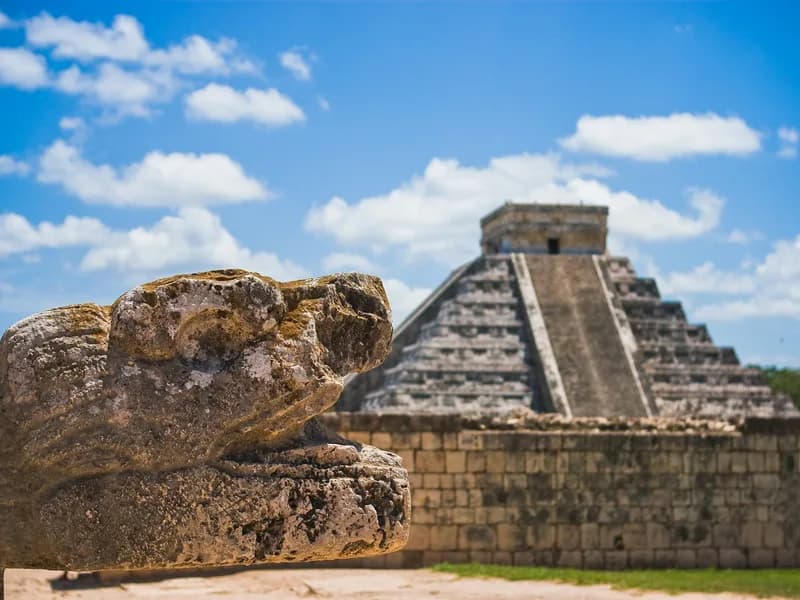
- Chichen Itza -- One of the New Seven Wonders of the World, home to the iconic El Castillo pyramid
- Uxmal -- A beautifully preserved Puuc-style Mayan site south of Merida
- Coba -- Climb the Nohoch Mul pyramid, one of the tallest on the peninsula
- Ek Balam -- A less-crowded site with a stunning carved facade
Cenotes: The Peninsula's Hidden Gems
The Yucatan sits on porous limestone, creating thousands of cenotes -- natural sinkholes filled with crystal-clear freshwater. These were sacred to the ancient Maya and are now among the peninsula's top attractions for swimming and snorkeling. Notable cenotes include Ik Kil near Chichen Itza, Cenote Suytun near Valladolid, and the Gran Cenote near Tulum.
Best Time to Visit
The dry season from November through April offers the most comfortable weather, with temperatures around 25-30 degrees Celsius and minimal rain. The rainy season (June to October) brings afternoon showers and higher humidity, but also lower prices and fewer crowds. Hurricane season officially runs June through November, though storms most commonly affect the coast between August and October. For detailed seasonal guidance across the entire country, see our best time to visit Mexico guide.
Getting Around
Most visitors fly into Cancun International Airport (CUN), one of Mexico's busiest. ADO buses connect all major cities on the peninsula with air-conditioned, comfortable service. Colectivos (shared vans) run frequent routes between smaller towns along the coast. Renting a car is practical for exploring at your own pace, especially for reaching remote cenotes and ruins.
Regional Cuisine
Yucatecan food is distinct from the rest of Mexico, with influences from Mayan, Spanish, Lebanese, and Caribbean cooking traditions. Look for cochinita pibil (slow-roasted pork marinated in achiote), papadzules (egg-filled tortillas in pumpkin seed sauce), sopa de lima (lime soup), and panuchos (fried tortillas stuffed with refried beans and topped with turkey or chicken).
Plan Your Visit
The Yucatan Adventure 5-Day itinerary covers the essential highlights. Budget travelers can explore the peninsula for around $40-60 USD per day, while mid-range travelers should expect $80-150 USD daily. The region is well-suited for both independent travel and organized tours.